
I still remember the first time I stood on the Naka River promenade at dusk, watching a dozen tiny wooden carts materialize out of nowhere like mushrooms after rain. One minute the sidewalk was empty; the next, lanterns flickered on, canvas roofs unfurled, and the smell of pork bone broth and charcoal smoke wrapped around me like a warm blanket. That’s the magic of Fukuoka’s yatai—Japan’s last great street food culture, and honestly, the best late-night eating adventure you’ll find in this country.
But here’s what the glossy travel brochures won’t tell you: yatai aren’t just cute photo ops. They’re tiny, cramped, socially intricate operations where knowing the unwritten rules makes the difference between a magical evening and an awkward one. I’ve eaten my way through Nakasu, Tenjin, and even the quieter Nagahama strip over multiple trips, and I’ve made plenty of mistakes so you don’t have to. Let’s talk about the real logistics, the hidden nuances, and the honest costs.
Why Yatai Are Different From Any Other Japanese Dining Experience
Japan is famous for precision. Think Michelin-starred sushi counters where the chef times your rice to the second. Yatai are the glorious opposite. These are open-air stalls with six to ten stools, a single cook working a tiny grill or bubbling pot, and a level of chaos that feels almost rebellious in a country so orderly.
You sit shoulder-to-shoulder with strangers. Someone’s elbow is in your ribs. The cook is shouting orders to himself because there’s no one else to shout at. And yet, within five minutes, you’re passing a plate of gyoza to the businessman next to you and debating whether “barikata” or “harigane” is the superior noodle firmness. That’s the yatai alchemy. It’s not about the food being fancy—it’s about the food being shared, even with people you’ve never met.
Here’s the thing most guides miss: Fukuoka’s yatai almost disappeared entirely. Back in the 1990s, the city actually implemented a “one generation only” policy for stall licenses, meaning when the owner died, the stall died with them. By the 2010s, the numbers were dwindling fast. It took a dedicated ordinance and a public recruitment system starting in 2016 to breathe new life into the scene. Today there are around 100 licensed yatai across the city, including a new wave of younger owners experimenting with everything from French-inspired small plates to specialty coffee. When you pull up a stool, you’re not just eating dinner—you’re participating in a comeback story.
The Three Yatai Districts: Which One Should You Choose?
This is the first real decision you’ll make, and it matters more than you think. Fukuoka’s yatai cluster in three distinct neighborhoods, each with a completely different personality. I’ve spent evenings in all three, and my recommendation depends entirely on what kind of night you’re after.
Nakasu: The Postcard (and the Crowds)
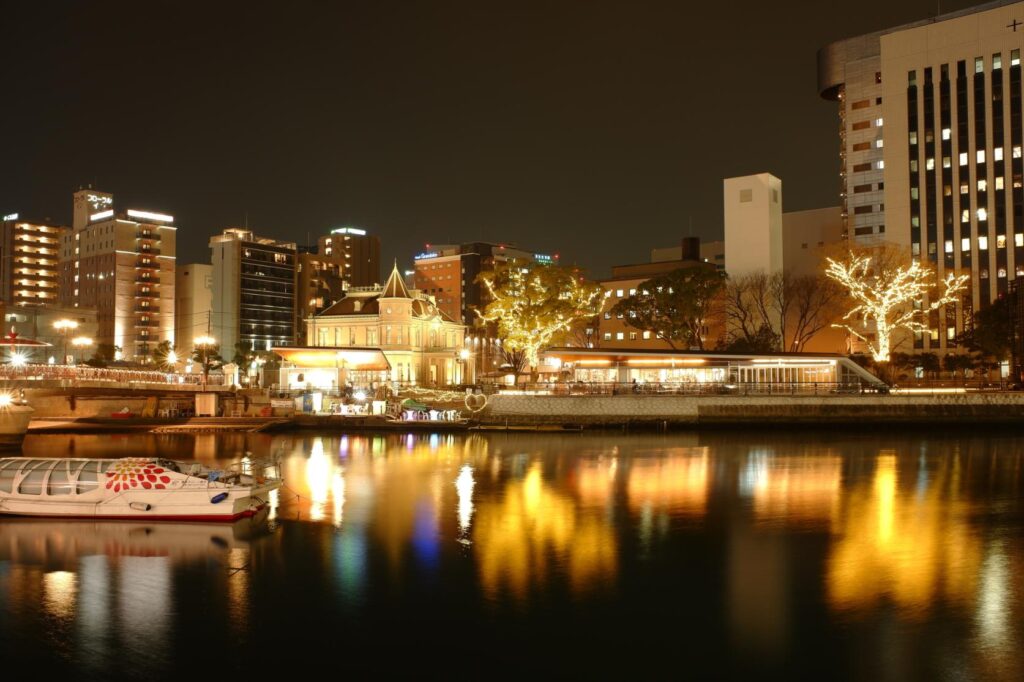
Nakasu is the one you’ve seen on Instagram. Dozens of stalls line the western bank of the Naka River, their lanterns reflecting off the water like spilled paint. It’s undeniably photogenic, and the energy on a weekend night is electric.
But let me be brutally honest: Nakasu is the tourist zone. You’ll hear more English, Mandarin, and Korean here than Japanese. The stalls are slightly more expensive, the waits are longer, and on a Friday night, you might hover awkwardly behind occupied stools for fifteen minutes before a seat opens up. That said, if it’s your first yatai experience, Nakasu is the easiest entry point. Many stalls have English menus or picture guides, and the sheer concentration means you can stall-hop without walking far.
My advice: Go early—like 6:00 PM right when they open—or go on a weeknight. I made the mistake of showing up at 9 PM on a Saturday once. Never again.
Tenjin: The Local Favourite
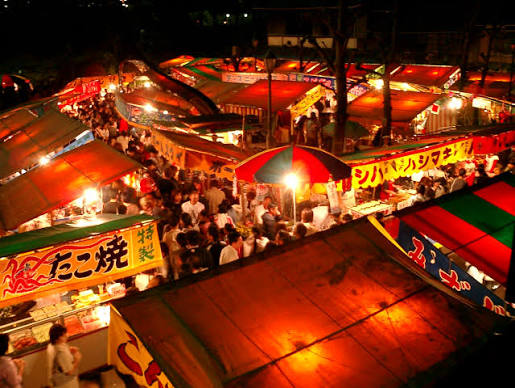
Tenjin is Fukuoka’s shopping and commercial heart, and its yatai are scattered along wider pavements and side streets rather than in one tight riverside row. The vibe here is more relaxed, the prices slightly friendlier, and you’ll actually hear Fukuoka locals slurping their ramen next to you.
This is where I found my favourite stall of the entire trip—a tiny operation run by a husband-and-wife team who’ve been at it for decades. No English menu, no Instagram presence, just incredible grilled skewers and a pot of oden that had been simmering since before I was born. The wife wiped down the counter between every single customer, and the husband silently refilled my water glass before I even noticed it was empty. That’s Tenjin.
Tenjin is also where you’ll find some of the newer, quirkier yatai that emerged from the city’s recruitment program. One stall I passed was serving French-style duck confit. Another had a hand-pulled espresso machine. It’s a fascinating glimpse into where yatai culture might be heading.
Nagahama: The Pilgrimage
Nagahama is the birthplace of Nagahama-style ramen—the ultra-thin noodle variant that cooks in seconds and was originally designed for fish market workers who needed to eat fast between shifts. The yatai strip here nearly died out completely; by 2021, only two stalls remained. A dedicated recruitment push in 2022 brought it back to nine, with a new generation of owners averaging thirty-seven years old.
If you care about ramen history, Nagahama is worth the detour. The stalls are quieter, more intimate, and the broth recipes here have been refined over decades. But manage your expectations: it’s a small strip, not a bustling district. Go for the ramen, not the nightlife.
What to Order (and What to Skip)
Every yatai has its own menu, but certain dishes define the experience. Here’s my honest ranking after way too many late-night meals.
The Non-Negotiables
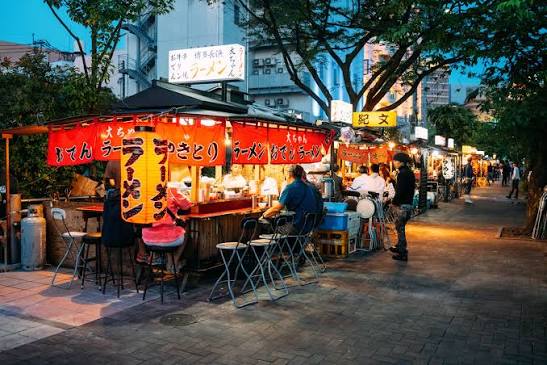
Hakata Tonkotsu Ramen. This is the reason yatai exist. Creamy, milky pork bone broth, thin noodles, a slice of chashu, and a sprinkle of green onion. A bowl costs around ¥700–¥1,000. The ritual here is “kaedama”—ordering a second round of noodles to dump into your leftover broth. It costs about ¥150 and arrives in thirty seconds. Do it. You’ll understand why when you taste how the noodles soak up that broth on round two.
Yakitori Skewers. Chicken skin, thigh, wings, cartilage—grilled over charcoal and seasoned with either salt or tare sauce. They run ¥100–¥300 per skewer, which makes them dangerously easy to keep ordering. The chicken skin is the move. Trust me.
Oden. A simmering pot of daikon radish, fish cakes, boiled eggs, and tofu in a light broth. It’s the quiet hero of a cold night. Individual items cost ¥100–¥200, and a dollop of spicy mustard on the side cuts through the richness perfectly.
The Sleeper Hit
Mentaiko. Fukuoka is famous for spicy pollock roe, and many yatai offer it as a topping or side. It’s briny, slightly spicy, and weirdly addictive. I ended up buying a vacuum-sealed pack at the airport to bring home. No regrets.
What I’d Skip
Motsunabe. Beef tripe hot pot is a Fukuoka specialty, and it’s delicious—but it’s a sit-down, share-with-friends, takes-forty-minutes kind of dish. At a yatai with six seats and people waiting, ordering a hot pot is a rookie move. Save it for a proper restaurant.
The Unwritten Rules Nobody Tells You
This is the part where I save you from the awkwardness I experienced firsthand.
Rule One: Don’t hover. If a stall is full, stand to the side—not directly behind seated diners—and wait for the cook to gesture you in. Hovering over someone’s shoulder while they eat is rude, and the cook will notice.
Rule Two: Order something immediately. Yatai seats turn over fast. Sitting down and “thinking about it” while people wait outside is a cardinal sin. The principle is one item per person minimum, and if you’re not hungry, don’t take a seat.
Rule Three: Bring cash. Small bills. Most yatai are cash-only, though some are starting to accept IC cards and QR payments. Don’t be the person who orders a ¥900 bowl of ramen and hands over a ¥10,000 note. The cook will not be happy.
Rule Four: Don’t bring your luggage. There is literally nowhere to put a suitcase. I once saw a tourist wheel a carry-on into a yatai row and the poor cook had to physically move his prep station to let her pass. Use a coin locker at the station. Your hotel concierge will also hold your bags.
Rule Five: Go to the bathroom first. Yatai don’t have toilets. The cook will point you toward a nearby convenience store or public facility, but it’s better to handle that business before you sit down.
The Money Reality
Let’s talk budget, because yatai can be cheaper or more expensive than you expect depending on how you play it.
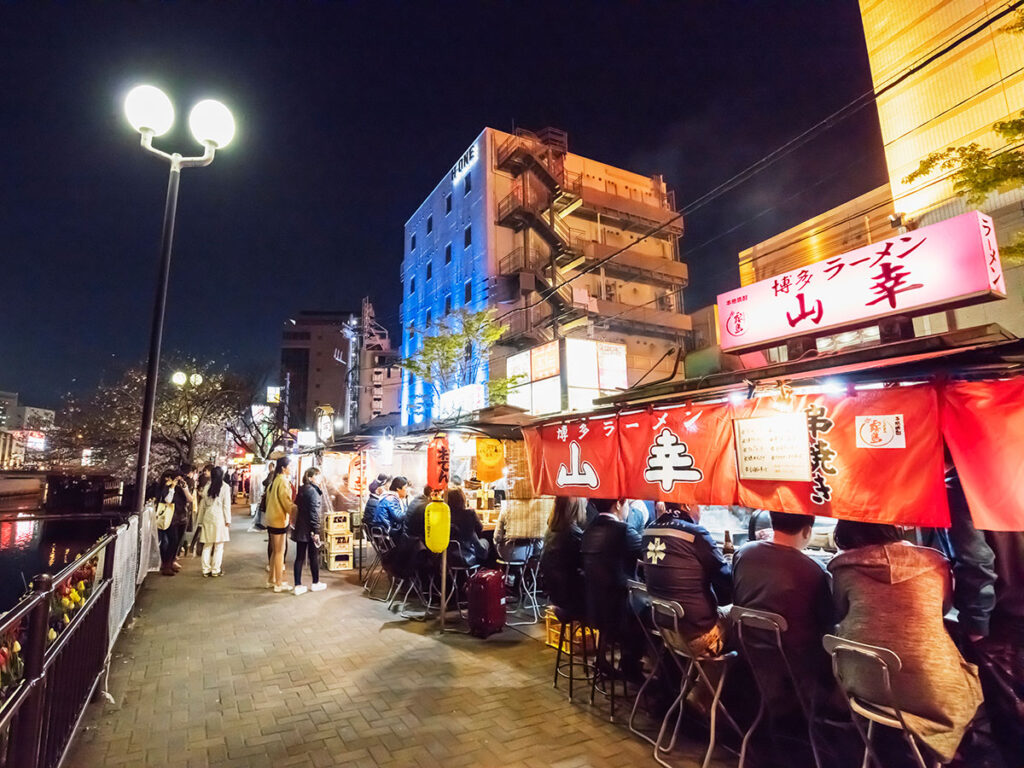
A full meal—ramen, a few skewers, and a beer—runs about ¥2,000–¥3,500 per person. That’s genuinely reasonable for Japan. But the danger is the “just one more skewer” trap. Those ¥200 yakitori add up fast, and before you know it, you’ve spent ¥5,000 on grilled chicken skin and highballs.
My strategy: set a rough budget per stall, then move on. Yatai hopping—eating one or two dishes at three different stalls—is more fun than committing to a full meal at one anyway. You get variety, you meet more cooks, and you spread your money across the community.
The Weather Factor (This Is Not a Joke)
Yatai are outdoor operations under canvas roofs. Light drizzle? They stay open. Proper rain or strong wind? They close. Period.
I learned this the hard way on my second trip. I’d hyped up a Nakasu yatai crawl to my travel companion, we showed up at 7 PM ready to eat, and found half the stalls shuttered because of a typhoon warning. We ended up eating convenience store onigiri in our hotel room while watching Japanese game shows. Not the dream.
Check the forecast before you commit to a yatai night. If rain is likely, have a backup restaurant plan. And if a stall owner tells you they’re closing early because of weather, believe them.
A Note on the People Behind the Counter
The cook is the soul of the yatai. Some are chatty and will ask where you’re from and what you’ve eaten so far. Others are focused and silent, treating their grill like a meditation. Read the room.
I’ll never forget one older cook in Tenjin who noticed me struggling with the Japanese menu and silently slid a handwritten English translation across the counter—not a printed sheet, but a personal note he’d clearly written himself for situations exactly like this. He didn’t say a word. Just nodded and went back to his pot. That’s yatai hospitality. It’s not performative. It’s just there, if you’re paying attention.
Conclusion
Fukuoka’s yatai are not a tourist attraction. They’re a living, breathing, sometimes chaotic, occasionally frustrating, deeply human food culture that happens to welcome visitors. The broth is rich, the seats are cramped, and the rules are unwritten but absolute. Go early, bring cash, order boldly, and don’t overstay your stool. If you do that, you’ll understand why this city fought so hard to keep these little lantern-lit boxes alive. And you’ll probably find yourself, like me, planning your next trip back before you’ve even finished your first bowl of kaedama.