
The first time I pushed open the sliding door of a tiny izakaya in Shinjuku’s Omoide Yokocho, I nearly turned around and walked right back out. The place was no bigger than my hotel bathroom, packed shoulder-to-shoulder with salarymen in loosened ties, cigarette smoke curling toward a low ceiling, and a chef who looked at me like I’d just interrupted a sacred ritual. I didn’t speak Japanese. I didn’t know what to order. And I definitely didn’t know that the mysterious little dish that appeared in front of me without my asking would show up on the bill.
I stayed anyway. And that night—sitting on a wobbly stool, nursing a draft beer I hadn’t technically ordered yet, nibbling on a bowl of simmered daikon I never requested—changed how I travel through Japan forever.
Izakayas are not restaurants. They’re not bars, either. They’re this wonderfully chaotic hybrid where the food is as important as the drink, where strangers become friends over shared plates of fried chicken, and where the only real rule is to relax and let the chaos unfold. But there’s a code to cracking them, and most first-timers get it wrong.
Here’s everything I wish someone had told me before I walked through that door.
What Actually Is an Izakaya?
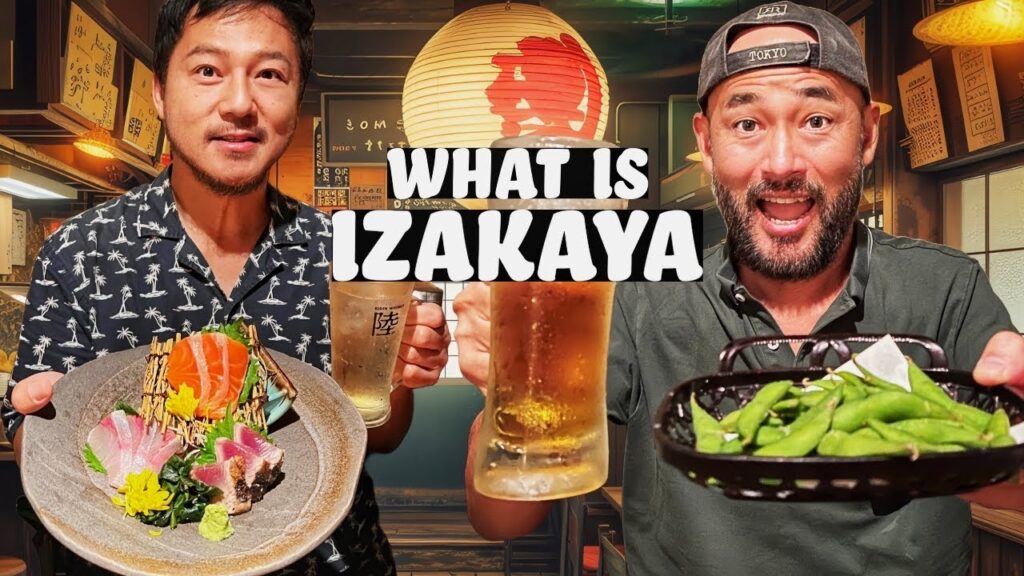
Forget the fancy translations. Izakaya literally means “stay-drink-place,” and that’s precisely what it is—a spot where you settle in, sip something cold, and graze on small plates that keep coming until you decide you’re done . Think of it as a Japanese pub crossed with a tapas bar, except louder, smokier, and infinitely more fun.
You’ll spot them by the glowing red or white lanterns hanging outside, often with the shop’s name scrawled in kanji. Step inside and you’re hit with a wall of sound: the clinking of glasses, the sizzle of yakitori hitting the grill, the chorus of “Irasshaimase!” from staff who genuinely seem thrilled you walked in .
The food isn’t fancy. It’s not supposed to be. It’s booze-friendly fuel—salty, fried, grilled, and designed to make you want another drink. And that’s the whole point.
The Otoshi: That Mysterious Dish You Didn’t Order
Let’s tackle the elephant in the room first, because this is where ninety percent of tourists panic.
Shortly after you sit down, a small dish appears in front of you. Maybe it’s pickled vegetables. Maybe it’s a chunk of simmered tofu. Maybe it’s edamame. You didn’t order it. You didn’t ask for it. And when the bill comes, there’s an extra charge—usually between ¥300 and ¥800 per person .
This is the otoshi, and it is not a scam. It’s a seat charge with food attached, a universal practice at most izakayas, and refusing it is technically possible but socially awkward . Think of it like a cover charge at a bar, except instead of nothing, you get a tiny preview of what the kitchen can do.
My advice? Eat it. Enjoy it. It’s often the best thing you’ll taste all night because it changes with the seasons and reflects whatever the chef is excited about that week.
A quick note on money: A typical evening—otoshi, a few shared plates, and two or three drinks—will run you between ¥2,500 and ¥4,500 per person at a neighborhood spot . Tourist-heavy alleys can be pricier. And bring cash. Many smaller izakayas still don’t take cards .
How to Order Without Making a Fool of Yourself
Rule One: Drink First, Food Later
The moment you sit down, someone will ask what you want to drink. Do not open the food menu. Do not ask for a water while you decide. This is not a restaurant where you ponder your beverage choices.
The ritual phrase is “toriaezu nama“—”a draft beer for now” . Even if you don’t drink beer, order something. A highball. A lemon sour. A glass of cold sake. The meal doesn’t officially start until everyone has a drink and you’ve clinked glasses with a hearty “Kanpai!“
I learned this the hard way at my first izakaya. I asked for water and a food menu. The server looked at me like I’d asked for a fork to eat ramen. My friend leaned over and whispered, “Just order a beer. Trust me.” She was right.
Rule Two: Call Out for Service
There’s no hovering waiter checking on you every five minutes. That’s not neglect—it’s efficiency. When you’re ready to order more, you say “Sumimasen!” loud enough to cut through the noise . If that feels rude, get over it. Waiting politely with your hand raised like you’re in a Parisian café will leave you thirsty and hungry.
Many modern izakayas have tablet ordering systems with English options. Tap, confirm, and food appears. For older spots, pointing at the menu and holding up fingers for quantity works perfectly. Or try “osusume wa nan desu ka?“—”What do you recommend?”—and let the chef decide. That’s how I discovered my favorite dish of the entire trip: a bowl of creamy, briny ankimo (monkfish liver) that I never would have ordered on my own.
Rule Three: Order in Waves
Don’t try to order everything at once. Izakaya food is designed to arrive as it’s ready, not in courses. Order two or three dishes, share them, then order more when you’re ready . This keeps the table from being overwhelmed and ensures everything stays hot.
And yes, everything is shared. Plates land in the middle of the table. You take a portion onto your small plate. You don’t claim a dish as your own. That’s not how this works.
What to Eat: The Only Izakaya Menu Guide You Need
Here’s the thing about izakaya menus: they’re overwhelming. Pages and pages of tiny text, handwritten specials on the wall, seasonal items you can’t pronounce. But the classics are classics for a reason.
Yakitori: The Backbone of Every Izakaya
Skewers of chicken, grilled over binchotan charcoal until the skin blisters and the fat renders into something transcendent. You’ll choose between shio (salt) and tare (a sweet-savory soy glaze), and honestly, you should order both . My personal rule: two negima (chicken and leek) and one tsukune (chicken meatball) per person, minimum. The tsukune often comes with a raw egg yolk for dipping, and if you’ve never done that, you haven’t lived.
Karaage: Japanese Fried Chicken That Ruins All Other Fried Chicken
Crispy, juicy, marinated in soy, ginger, and garlic, coated in potato starch and fried until shatteringly crunchy . It’s not heavy like American fried chicken. It’s lighter, crunchier, and dangerously easy to eat by the handful. Pair it with a lemon sour—the acidity cuts through the richness perfectly.
Gyoza: The Pan-Fried Dumplings You’ll Fight Your Friends For
Thin-skinned, pork-and-cabbage filled, pan-fried until the bottoms are crisp and lacy while the tops stay tender . They come in orders of five or six, which means you need at least two orders for a table of three. Maybe three orders. I’m not judging.
Sashimi: Skip the Sushi, Go Straight for the Fish
Here’s a secret that took me years to learn: izakayas often have better sashimi than mid-range sushi restaurants. No rice to hide behind, just impeccably fresh fish sliced by someone who’s spent years perfecting their knife work . Ask for the osusume—the recommendation—and let the chef guide you.
Oden: The Winter Comfort Food You Didn’t Know You Needed
A simmering pot of daikon radish, fish cakes, boiled eggs, and konnyaku, all stewed in a light dashi broth until everything absorbs the flavor . It’s humble, warming, and exactly what you want on a cold night in February. If you see it on the menu, order it. Don’t ask questions.
One thing to skip: Edamame. Yes, it’s fine. Yes, it’s cheap. But you can get edamame anywhere. Save your stomach space for the things you can’t make at home.
The Etiquette Rules That Actually Matter
I’m not going to give you a list of forty rules that will make you paralyzed with fear. Most izakaya etiquette is common sense wrapped in Japanese politeness. Here are the ones that will actually affect your experience.
The Oshibori Is for Your Hands
That hot towel they hand you at the start? It’s for your hands. Not your face. Not your neck. Not the table. Just your hands . I’ve seen tourists wipe their entire faces with it and the look on the server’s face was somewhere between horror and pity.
Pour for Others, Never for Yourself
This is the big one. When you’re drinking with others, you pour their drinks and they pour yours. Your glass will never be empty if your tablemates are paying attention, and you should be paying attention to theirs . If someone offers to pour for you, take a sip first to make room, then hold your glass toward them.
Don’t Tip
I know this feels wrong. I know you want to leave a few hundred yen on the table because the service was great. Don’t. Tipping isn’t part of the culture here, and staff may chase you down the street to return the “forgotten” money . If you want to show appreciation, buy the chef a drink—”ippai douzo“—or simply say “gochisosama deshita” (thank you for the feast) on your way out.
Shoes Off If You See Tatami
Some izakayas have traditional seating—low tables on tatami mats, sometimes with a sunken floor called horigotatsu so you can dangle your legs . If you see a step up and a shoe rack, take your shoes off. And for the love of everything, wear matching socks without holes.
The Honest Pros and Cons
Pros: Izakayas are the most authentic, unpretentious way to eat and drink in Japan. You’ll meet locals, try things you can’t pronounce, and experience the real rhythm of Japanese social life. The food is cheap, the drinks are cold, and nobody cares if you’re a tourist as long as you’re not being a jerk.
Cons: The smoke can be intense. The noise is relentless. The menu can be intimidating if you don’t read Japanese. And if you’re vegetarian, you’ll need to be proactive—the otoshi often contains fish, the broth has dashi, and “vegetable” dishes sometimes come sprinkled with bonito flakes . Flag it early: “Bejitarian desu.”
Conclusion
My first izakaya night ended with me having a conversation in broken Japanese with a sixty-year-old taxi driver about his favorite yakitori spot, sharing a plate of karaage I hadn’t planned on ordering, and walking out into the Shinjuku night feeling like I’d unlocked a secret level of Japan that most tourists never find.
That’s what izakayas do. They’re not fancy. They’re not Instagram-perfect. They’re loud and smoky and a little chaotic. But they’re real. And once you understand the rhythm—order a drink, accept the otoshi, share everything, call out when you need something, never tip—you’re not a tourist anymore. You’re just another person having a good time at the local pub.
So find a lantern-lit doorway. Slide the door open. Say “Kanpai” to whoever’s sitting next to you. The rest will figure itself out.
FAQs
Do I need to speak Japanese to enjoy an izakaya?
Not at all. Many chain izakayas have English tablet menus, and smaller spots are used to pointing and gesturing. Learn three phrases—”sumimasen” (excuse me), “osusume” (recommendation), and “kore o kudasai” (this one, please)—and you’ll be fine .
Is it okay to go to an izakaya alone?
Absolutely. Counter seating is perfect for solo diners, and you’ll often end up chatting with the chef or the person next to you. It’s one of the best ways to experience an izakaya authentically.
What’s the deal with the seating charge?
That’s the otoshi—a mandatory small appetizer and seat charge of ¥300-¥800 per person. It’s not a scam and refusing it is more hassle than it’s worth. Just accept it as part of the experience .
Do izakayas have vegetarian options?
Some, but you need to be careful. The otoshi often contains fish, many broths use dashi (fish stock), and seemingly vegetarian dishes may have bonito flakes on top. Say “bejitarian desu” clearly and ask for recommendations—staff are usually helpful if you flag it early .
Can I just walk in, or do I need a reservation?
Smaller neighborhood izakayas are usually walk-in friendly, especially on weeknights. Popular spots and larger chains may fill up, but many accept reservations through apps like Tabelog or simply by phone. If you’re a group of more than four, call ahead.